
How to Improve Irrigation Efficiency in Memorial
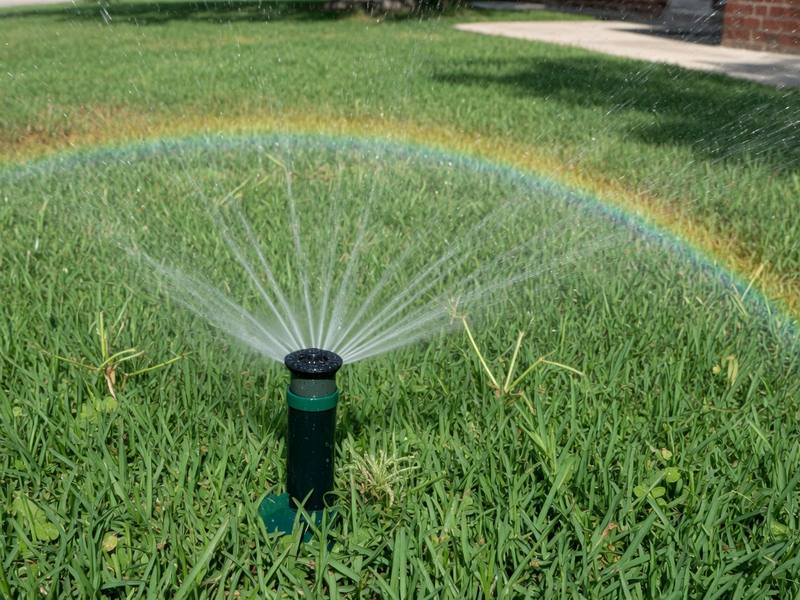
Most sprinkler systems run on a fixed schedule. They water at the same time and for the same length, whether it rained last night or the lawn is baking in a heat wave. The result is usually some mix of soggy patches, dry spots, and higher water bills. At Memorial Sprinkler Repair, we see this problem in lawns across the area every day, and it is one of the easiest to fix.
Remote sensing fixes this by giving your irrigation system real information to work with. Instead of guessing, your system can respond to what is actually happening in your soil, your plants, and the weather.
This guide explains what remote sensing is, how it works with modern sprinkler systems, and how you can start using it to water smarter on a single home lawn or a large commercial property.
What Is Remote Sensing in Irrigation?
Remote sensing means collecting information about your landscape without physically checking it by hand. Sensors, satellites, drones, and weather data services gather details about soil moisture, plant health, temperature, and rainfall. Your irrigation system or controller then uses that information to decide when and how much to water.
Think of it as giving your sprinkler system eyes and ears. A traditional timer only knows the clock. A system using remote sensing knows whether your soil is already wet, whether rain is on the way, and which parts of your yard are struggling.
Common Remote Sensing Tools for Irrigation
Remote sensing covers a range of tools. Some are built for farms and large campuses, while others fit any home landscape.
- Soil moisture sensors: Probes placed in the root zone measure how much water is in the soil. When moisture is high enough, they signal the controller to skip a cycle.
- Rain and freeze sensors: These simple devices pause watering during rainfall or freezing temperatures.
- Weather-based data: Smart controllers pull local weather data, including temperature, humidity, wind, and rainfall, to estimate how much water your plants are losing each day. This is often called evapotranspiration, or ET.
- Satellite and aerial imagery: Images of your property can reveal stressed or overwatered areas based on plant color and health. Many tools use a measure called NDVI, which compares how plants reflect visible and near-infrared light to judge their vigor.
- Thermal imaging: Drones or handheld cameras with thermal sensors spot hot, dry zones and cool, wet ones. They can also point to hidden leaks.
- Flow sensors: These track how much water moves through your system and flag unusual spikes that could signal a broken pipe or head.
You don’t need every tool on this list. The right combination depends on your property’s size, layout, and goals.
How Remote Sensing Works With Modern Irrigation Systems
Remote sensing is most useful when it connects directly to your controller and sprinkler components. Here is how the key pieces fit together.
Soil Moisture Testing
Soil moisture data is the foundation of efficient watering. Your grass and plants don’t care what time it is. They care whether their roots have access to water.
When soil moisture sensors sit in the root zone, your system can water only when the soil drops below a set level. This prevents overwatering, which can cause shallow roots, fungus, and runoff. It also protects against underwatering during hot, dry stretches.
Professional soil moisture testing helps you set the right thresholds from the start. Clay soil holds water longer than sandy soil, and shaded beds dry out more slowly than open turf. A good baseline makes your sensor data far more accurate.
Weather-Based Irrigation Evaluation
Weather changes daily, and your watering schedule should too. Weather-based controllers adjust run times using local conditions. On a cool, cloudy week, they scale back. During a hot, windy stretch, they add water where it’s needed.
A weather-based irrigation evaluation checks whether your system can actually respond to these changes. It looks at your controller settings, rain sensor function, and zone programming. Many systems have weather features that were never set up correctly, so they behave like basic timers.
Coverage Analysis
Remote sensing can show you where problems are, but coverage analysis explains why. Aerial images or thermal scans might reveal a brown strip along your driveway or a soggy corner near the patio. Coverage analysis traces those patterns back to the system itself.
Common causes include:
- Clogged or misaligned sprinkler heads
- Mismatched nozzles within the same zone
- Low or uneven water pressure
- Heads blocked by grown-in shrubs or turf
- Leaking valves that keep a zone wet
Once you know the cause, you can fix the right part rather than simply adding more water to the whole zone.
Benefits of Remote Sensing for Homeowners and Property Managers
Smarter irrigation pays off in several ways:
- Lower water bills: Watering only when needed cuts waste, especially during rainy or mild seasons.
- Healthier landscapes: Consistent moisture encourages deep roots and reduces disease from soggy soil.
- Faster problem detection: Sensors and flow data can flag leaks and broken heads before they become expensive repairs.
- Less hands-on work: You spend less time adjusting timers or walking the property to check for dry spots.
- Water restriction compliance: Automated adjustments make it easier to follow local watering rules.
- Better data for multiple sites: Property managers can monitor several zones or properties from one app or dashboard.
How to Use Remote Sensing: Practical Steps for Implementation
Adding remote sensing doesn’t have to be complicated. Follow these steps to build a system that works reliably.
1. Start With a Full System Diagnostic
Sensors can’t fix a broken system. If a valve is leaking or a pipe is cracked underground, your new data will only show you the symptoms.
Begin with a complete diagnostic. Memorial Sprinkler Repair’s diagnostic services include leak detection, pressure testing, flow rate testing, controller functionality testing, electrical diagnostics, and backflow testing. This gives you a clear picture of your system’s health before you invest in upgrades.
2. Repair Existing Problems First
Fix what’s broken before you add new technology. Common repairs that improve sensor accuracy include:
- Sprinkler head repair: Broken, tilted, or clogged heads create uneven coverage that can confuse moisture readings.
- Valve and solenoid repair: A sticking valve can keep watering after the controller shuts off.
- Rain sensor repair: A faulty rain sensor may let your system run during a downpour.
- Controller repair: An unreliable controller won’t respond correctly to sensor input.
- Wiring repair: Damaged wires can cause zones to fail or run unpredictably.
A system in good working order gives you data you can trust.
3. Upgrade to a Wi-Fi Smart Controller
A Wi-Fi controller is the hub that ties remote sensing together. It connects to weather data, accepts input from soil and rain sensors, and lets you adjust settings from your phone.
Upgrading from a manual controller is one of the most practical steps you can take. You’ll see when each zone runs, receive alerts about problems, and make changes without walking out to the garage.
4. Install High-Efficiency Nozzles
Even the smartest controller wastes water if your nozzles spray unevenly or mist into the wind. High-efficiency nozzles deliver larger, heavier droplets at a steady rate. This means more water reaches the soil and less drifts onto sidewalks or evaporates.
Matched nozzles also make your coverage more even, which helps sensors give accurate readings across each zone.
5. Place Sensors Where They Matter
Sensor placement has a big effect on accuracy. Keep these tips in mind:
- Put soil moisture sensors in a spot that represents the average conditions of the zone, not the wettest or driest corner.
- Place them at root depth, where your plants actually draw water.
- Keep rain sensors in an open area away from roof overhangs, trees, and sprinkler spray.
- Use separate sensors for zones with very different sun exposure or plant types.
6. Review Your Data Regularly
Remote sensing gives you useful information, but only if you look at it. Check your controller app or dashboard every week or two. Watch for:
- Zones that run much more often than others
- Sudden jumps in water flow
- Areas that stay dry despite regular watering
- Moisture readings that never change, which could mean a failed sensor
These patterns often point to a repair need before visible damage appears.
7. Schedule Seasonal Check-Ups
Your landscape changes through the year. Plants grow, soil settles, and heads get knocked out of place. Seasonal inspections keep your sensors calibrated and your system running at its best. This is especially important before peak summer heat and before winter shutdown.
Common Mistakes to Avoid
Remote sensing works best when you avoid these pitfalls:
- Adding sensors to a leaky system: You’ll pay for water you never use.
- Ignoring alerts: A flow alert or offline sensor needs attention quickly.
- Using one sensor for the whole property: Sun, shade, and soil vary from zone to zone.
- Setting it and forgetting it: Data needs occasional review and adjustment.
- Skipping professional setup: Incorrect thresholds or controller settings can undo the benefits.
Remote Sensing Tips for Larger Properties
Property managers overseeing apartment complexes, HOAs, or commercial sites face bigger challenges. More zones mean more room for hidden waste. Here’s how to scale remote sensing effectively:
- Centralize control: Use Wi-Fi controllers that let you manage multiple sites from one platform.
- Add flow monitoring: Flow sensors catch line breaks quickly, which matters when nobody is watching a remote corner of the property.
- Use aerial or thermal imaging: Periodic scans can reveal stressed turf and leak zones across wide areas.
- Prioritize by zone: Group plants with similar water needs so each zone can follow its own schedule.
- Keep a maintenance log: Track repairs and adjustments to spot recurring issues.
Frequently Asked Questions
Is remote sensing only for farms and large properties?
No. While satellite imagery and drones are common in agriculture, homeowners can benefit from soil moisture sensors, rain sensors, and weather-based Wi-Fi controllers. These tools fit any size landscape.
Can I add remote sensing to my existing sprinkler system?
In most cases, yes. Many existing systems can be upgraded with a smart controller and sensors. A diagnostic check will confirm whether any repairs are needed first.
How do I know if my rain sensor is working?
If your sprinklers run during or right after rain, your sensor may be damaged, dirty, or bypassed. A professional inspection can test and repair it.
Will a smart controller really save water?
A properly installed and programmed smart controller adjusts watering to actual conditions, which typically reduces waste compared to a fixed timer. Savings depend on your climate, landscape, and how well the rest of your system works.
Water Smarter With Memorial Sprinkler Repair
Remote sensing turns your sprinkler system from a basic timer into a responsive tool that protects your landscape and your budget. The key is building on a solid foundation: a system that’s leak-free, properly pressurized, and evenly covering every zone.
Memorial Sprinkler Repair can help at every stage. Our team handles full diagnostics, including soil moisture testing, coverage analysis, and weather-based irrigation evaluation. We repair sprinkler heads, valves, sensors, and controllers. We also install upgrades like Wi-Fi controllers and high-efficiency nozzles so your system can make the most of remote sensing data.
Whether you manage a single backyard or multiple properties, we’ll help you build an irrigation system that uses water wisely.
Call (713) 574-5789 or schedule. Read more on services, service areas, and the FAQ..
Call (713) 574-5789 Services FAQ