
Memorial Sprinkler Repair for Mismatched Parts
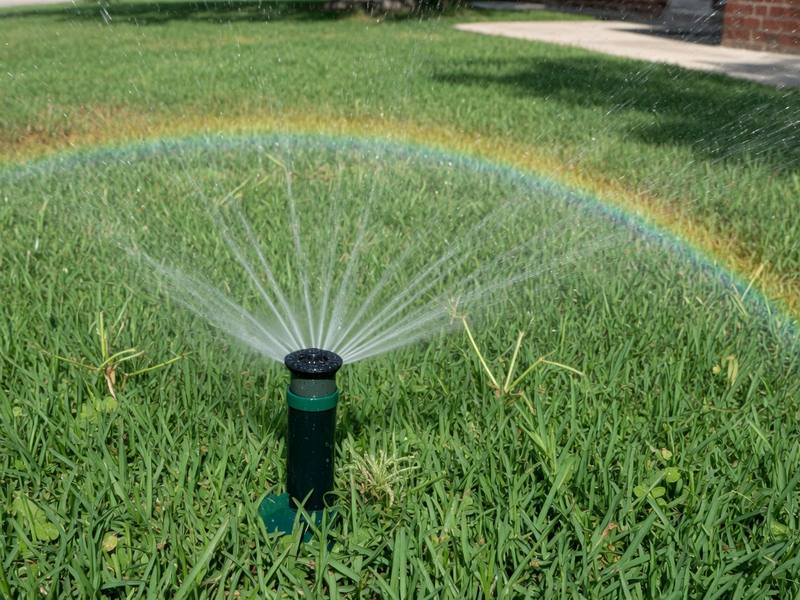
Your sprinkler system works as a team. Every head, valve, solenoid, wire, and controller has to work with the others to deliver the right amount of water to the right place at the right time. When one part doesn’t match the rest, the whole system can start to struggle.
At Memorial Sprinkler Repair, we see this problem all the time. A homeowner swaps out a broken sprinkler head with whatever was on the store shelf. A previous owner patched a valve with a part from a different brand. A new smart controller gets wired into an older system without a second thought. Everything seems fine at first. Then the dry patches, soggy spots, stuck valves, and rising water bills begin.
This guide explains what system incompatibility is, which parts cause the most trouble, the warning signs to watch for, and how a professional can get your system back on track.
What Is Sprinkler System Incompatibility?
System incompatibility happens when components in your irrigation system weren’t designed to work together. The parts may look similar and even fit physically, but they differ in ways that matter, such as:
- Water pressure requirements
- Flow rates and precipitation rates
- Electrical voltage and current type
- Thread sizes and fitting styles
- Communication between the controller and other devices
A part that’s “close enough” can still throw off the balance of an entire zone. Over time, that small mismatch can turn into wasted water, a struggling lawn, and costly repairs.
Why Mismatched Parts End Up in So Many Systems
Most incompatibility issues aren’t caused by carelessness. They usually come from quick fixes made with good intentions. Here are the most common causes we run into:
- DIY replacements: A broken head or valve gets replaced with a generic or different-brand part that seems like a match.
- Mixed-brand systems: Repairs over many years can leave a yard with parts from three or four different manufacturers.
- Older systems meeting newer parts: Modern components don’t always play nicely with outdated wiring, valves, or pipes.
- Upgrades without a full review: Adding a Wi-Fi controller or new nozzles without checking the rest of the system can create new problems.
- Inherited issues: When you buy a home, you also inherit every repair the previous owner made, good or bad.
The Components Most Likely to Cause Trouble
Sprinkler Heads and Nozzles
Sprinkler heads are the most commonly replaced part, which makes them the most common source of mismatches. Spray heads, rotors, and rotary nozzles all apply water at very different rates. Mix them in the same zone, and some areas get flooded while others stay dry.
Pressure matters too. Spray heads and rotors usually need different pressure levels to work well. A head running at the wrong pressure may mist, fog, or barely pop up at all. Pop-up height can also be an issue. A shorter head placed among taller ones may get blocked by grass and spray right into the turf.
Valves and Solenoids
Your valves open and close each watering zone, and the solenoid is the small electrical part that tells the valve what to do. Solenoids are often brand-specific. A solenoid from one manufacturer may not seat properly on another brand’s valve, which can lead to leaks or a valve that won’t fully close.
Voltage is another key factor. Most standard residential controllers send AC power to the valves, while many battery-operated controllers use DC latching solenoids. Put the wrong type of solenoid in place, and the valve may not open, may stay stuck open, or may burn out quickly.
Controllers
The controller is the brain of your system. When it doesn’t match the rest of your setup, you might see zones that won’t respond, error messages, or blown fuses. Common controller conflicts include:
- Not enough station capacity for the number of zones
- Incompatibility with existing rain sensors or flow sensors
- Missing support for a master valve or pump start relay
- Wiring that doesn’t line up with a new Wi-Fi model’s terminal layout
Smart controllers are a fantastic upgrade, but only when they’re properly matched to your valves, wiring, and sensors.
Wiring and Connections
Wiring problems often hide underground, which makes them tricky to spot. Using the wrong wire gauge for a long run can cause voltage drops, so valves at the far end of the yard may not open reliably. Indoor-rated connectors or untaped splices can corrode once they’re buried, causing on-and-off failures that seem to come and go at random.
Pipes, Fittings, and Drip Lines
Not all pipes and fittings are created equal. PVC, poly, and drip tubing each need their own fittings. Mixing thread types or forcing the wrong fitting onto a pipe can create slow leaks that soak the soil, waste water, and eventually damage your landscape. Drip systems are especially sensitive, since they often need pressure regulators and filters matched to the tubing and emitters.
Rain Sensors and Backflow Preventers
A rain sensor that isn’t compatible with your controller may never pause watering during storms, or it may block watering when it shouldn’t. Backflow preventers also need to be properly sized and installed to protect your home’s water supply. A mismatched or faulty unit is a safety concern, not just a performance issue.
Warning Signs of Incompatible Sprinkler Parts
Incompatibility problems can look a lot like other sprinkler issues. Watch for these red flags, especially after a recent repair or upgrade:
- Uneven watering: Dry brown spots next to soggy, overwatered areas in the same zone.
- Zones that won’t turn on: The controller says a zone is running, but nothing happens.
- Zones that won’t shut off: A valve stays open long after the cycle should have ended.
- Weak or misting spray: Heads that fog, sputter, or don’t reach their intended coverage.
- Heads that won’t pop up fully: A sign of low pressure or a mismatched head in the zone.
- Leaks at fittings or valves: Puddles, wet spots, or water bubbling up near connections.
- Controller errors or blown fuses: Often linked to solenoid or wiring mismatches.
- A rain sensor that does nothing: Sprinklers run during or right after a storm.
- Unexplained jumps in your water bill: Hidden leaks or overwatering zones can add up fast.
If you notice one or more of these issues, a mismatched part may be the hidden cause.
The Real Cost of Ignoring Incompatibility
It’s tempting to live with a slightly patchy lawn or a valve that acts up now and then. But incompatibility problems rarely fix themselves. Left alone, they can lead to:
- Wasted water and higher utility bills
- Dead grass, stressed plants, and costly landscape repairs
- Soil erosion and pooling water near your foundation
- Premature wear on valves, solenoids, and controllers
- Burst pipes or major leaks that need emergency attention
What starts as a single mismatched part can affect your entire system. Catching it early saves you money, water, and frustration.
Why DIY Fixes Often Make Things Worse
We understand the appeal of a quick weekend fix. But when it comes to incompatibility, guessing can create a cycle of repairs. Replacing one mismatched part with another doesn’t solve the root problem. And because many issues stem from pressure, voltage, or flow, they can be hard to diagnose without the right tools and experience.
A professional looks at your system as a whole, not just the part that seems broken. That big-picture view is what stops the problem from coming back.
How Memorial Sprinkler Repair Diagnoses and Fixes Incompatibility
Our team takes a careful, step-by-step approach to finding and fixing mismatched components.
1. Full System Inspection
We start by walking your property and running each zone. We check coverage, spray patterns, head types, and pop-up height to spot mismatches you might not notice on your own.
2. Pressure and Flow Testing
We measure water pressure and look at how each zone performs. This helps us find heads, nozzles, or valves that aren’t suited to your system’s conditions.
3. Electrical Testing
Using professional testing tools, we check your controller, wiring, and solenoids. We look for voltage drops, faulty splices, and solenoids that don’t match your controller type.
4. Component Identification
We identify the brands, models, and specs of the parts in your system. This tells us exactly which components are working against each other.
5. A Clear, Honest Plan
We explain what we found in plain language and recommend the right fix. Sometimes that means a single matched replacement. Other times, a targeted upgrade makes more sense for long-term performance.
Professional Solutions We Offer
Memorial Sprinkler Repair handles a full range of services to fix and prevent incompatibility issues, including:
- Sprinkler head repair and replacement with properly matched heads and nozzles
- Valve and solenoid repair using compatible parts that seal and respond correctly
- Controller repair and replacement, including setup that works with your sensors and valves
- Wiring repair with the correct wire gauge and waterproof connections
- Pipe leak and drip line repair using the right fittings for your system
- Rain sensor and backflow preventer repair for reliable, safe operation
- Pump repair for systems that rely on a well or booster pump
Smart Upgrades Done Right
If your system is outdated, an upgrade can solve compatibility problems while cutting water use. We help homeowners make the switch to:
- Wi-Fi controllers that are properly wired and matched to existing valves
- High-efficiency nozzles that apply water evenly across each zone
- Low-flow valves that help reduce water waste
- Solar-powered and eco-friendly systems for more sustainable irrigation
Every upgrade is planned with your full system in mind, so new parts work smoothly with what’s already in the ground.
Help When It Can’t Wait
Some incompatibility problems escalate fast. A valve stuck open or a fitting that gives way can flood your lawn in a hurry. Our 24/7 emergency services include emergency leak repair, system shutoff, electrical repair, and burst pipe repair to protect your property around the clock.
Tips to Prevent Incompatibility Problems
A few simple habits can help keep your system running smoothly:
- Keep a record of the brands and models in your system.
- Match heads within each zone so they apply water at similar rates.
- Check voltage type before replacing any solenoid or controller.
- Use outdoor-rated, waterproof wire connectors for any buried splices.
- Plan upgrades as a whole instead of swapping parts one at a time.
- Schedule regular inspections so small mismatches get caught early.
Frequently Asked Questions
Can I mix different sprinkler head brands in one zone?
You can sometimes, but it’s risky. Even heads that look alike may have different flow and precipitation rates. For even watering, heads in the same zone should be matched in type and output.
Will a new smart controller work with my old system?
In many cases, yes. However, it needs to match your valve type, wiring, and sensors. A professional install helps avoid zones that won’t respond or sensors that stop working.
How do I know if my valve problem is caused by an incompatible solenoid?
Valves that won’t open, won’t close, or leak after a recent solenoid replacement are a strong clue. Electrical testing can confirm whether the solenoid matches your valve and controller.
Is it worth upgrading instead of repairing?
It depends on the age and condition of your system. If you’re dealing with many mismatched or outdated parts, an upgrade may save you money and water over time. We’ll help you weigh both options honestly.
Get Your Sprinkler System Working as One Again
Mismatched parts can quietly drain your wallet and damage your yard. The good news is that these problems are fixable. With the right diagnosis and properly matched components, your system can deliver even, efficient watering season after season.
Memorial Sprinkler Repair has the knowledge and tools to find the source of the trouble and fix it right the first time. Whether you need a single part replaced, a full system review, or a modern upgrade, we’re here to help.
Book with schedule or call (713) 574-5789 for your sprinkler inspection and put an end to incompatibility issues for good.
Call (713) 574-5789 Services FAQ