
How to Fix Irrigation Pumps in Memorial
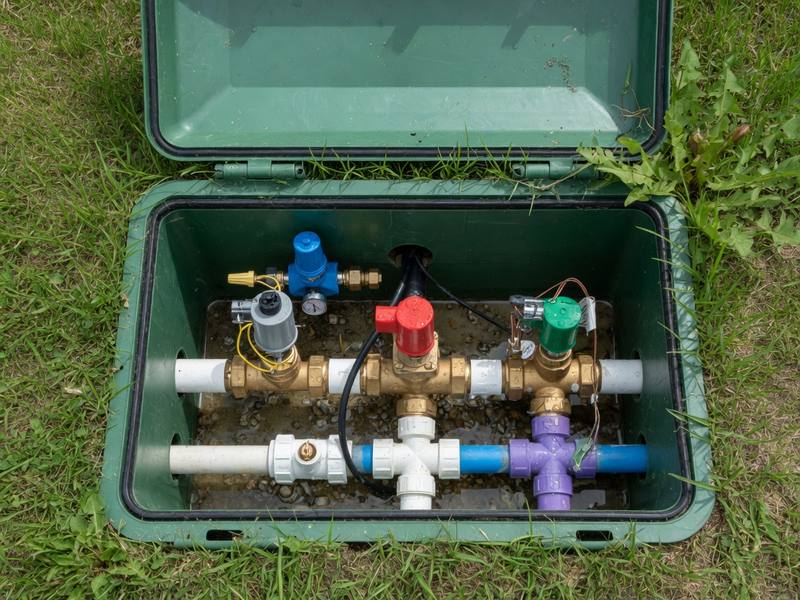
Your sprinkler system depends on one hardworking part to keep your lawn green: the pump. If your irrigation runs on well water, that pump does all the heavy lifting. It draws water from underground and pushes it through every pipe, valve, and sprinkler head on your property. When it starts to fail, your whole system fails with it.
At Memorial Sprinkler Repair, we see failed pump systems all the time. Many could have been caught early. This guide covers the warning signs of a failing pump, why well water systems are especially vulnerable, how we find the problem, and what you can do to keep your pump healthy for years.
Why Your Irrigation Pump Matters So Much
Homes on city water get pressure from the municipal supply. Well water systems don’t have that advantage. The pump creates all the pressure your sprinklers need.
That means a weak or broken pump causes more than a small hassle. It can lead to:
- Dry, patchy lawns and stressed landscaping
- Uneven coverage across zones
- Wasted water and higher electric bills
- Damage to other parts of the system, like valves and pipes
- Costly full replacements when a simple repair would have worked
A healthy pump keeps everything else running smoothly. A struggling one puts strain on your entire setup.
Common Signs of a Failing Irrigation Pump
Pumps rarely quit without warning. Most give off clear signals first. Here’s what to watch for.
Low or Weak Water Pressure
Sprinkler heads that barely pop up, or spray only a few feet, often point to a pump that can’t keep up. You may notice the far end of a zone gets less water than the area closest to the pump.
Sputtering or Spitting Sprinkler Heads
Bursts of air mixed with water suggest the pump is pulling in air. This can mean a leak on the suction side, a low water level in the well, or a failing seal.
The Pump Runs Constantly or Cycles On and Off
A pump that never shuts off is working too hard. One that clicks on and off rapidly, known as short cycling, often signals a pressure switch or pressure tank problem. Both wear out the motor fast.
Humming With No Water
If you hear the pump hum but no water flows, the motor may be struggling to start. A bad capacitor, a seized impeller, or an electrical fault could be to blame.
Tripped Breakers or Blown Fuses
A pump that keeps tripping the breaker is drawing too much power. This is a serious warning sign of motor or wiring trouble, and it shouldn’t be ignored.
Strange Noises
Grinding, rattling, or screeching sounds can mean worn bearings, debris inside the pump, or cavitation. Cavitation happens when air bubbles form and collapse inside the pump, slowly eating away at its parts.
Cloudy or Sandy Water
Sand or sediment coming out of your sprinkler heads means debris is moving through the system. That debris grinds down pump parts and clogs heads and valves.
A Sudden Spike in Your Electric Bill
A failing pump often runs longer and harder to do the same job. If your power bill jumps for no clear reason, your pump may be the cause.
Why Well Water Systems Are Especially Vulnerable
Well water pumps face challenges that city water systems simply don’t. Knowing these risks helps you understand why pump problems are so common.
Sediment and Sand
Groundwater often carries sand, silt, and grit. Over time, these particles wear down impellers, seals, and other moving parts. They also clog filters and sprinkler heads further down the line.
Mineral Buildup
Well water can be high in iron, calcium, and other minerals. These leave scale inside the pump, pipes, and valves. Scale restricts flow and forces the pump to work harder.
Changing Water Levels
Water tables shift with the seasons. During dry spells, the water level in your well can drop. If it falls too low, the pump may run dry. Running dry is one of the fastest ways to destroy a pump, since it relies on water to stay cool.
Pressure Tank and Switch Problems
Most well systems use a pressure tank and pressure switch to control when the pump turns on and off. When the tank loses its air charge or the switch wears out, the pump short cycles. Every extra start adds stress to the motor.
Heavy Electrical Demand
Well pumps draw a lot of power, especially at startup. Loose connections, damaged wiring, and aging capacitors can all lead to failure.
Weather Exposure
Above-ground pumps and exposed piping face heat, rain, and freezing temperatures. Freeze damage can crack pump housings and split pipes, especially in systems that were never winterized.
Why Professional Pump Repair Matters
It’s tempting to reset the breaker and hope for the best. But pump problems tend to get worse, not better. A pro brings the right tools and know-how to find the real cause instead of just treating symptoms.
Here’s why professional repair is worth it:
- Safety: Pumps combine water and high-voltage electricity. That’s a dangerous mix for anyone without training.
- Accurate diagnosis: Low pressure might come from the pump, a leaking pipe, a stuck valve, or a clogged filter. Testing tells us which.
- Protecting the rest of your system: A bad pump can damage valves, solenoids, and heads. Fixing it early saves those parts too.
- Repair before replace: Many pumps can be repaired for far less than the cost of a new one when problems are caught in time.
- Longer system life: Proper repairs and settings help your whole system last longer.
How We Diagnose Pump Problems
Guesswork costs money. Our team uses proven diagnostic testing to pinpoint exactly what’s going wrong before we recommend a fix.
Pressure Testing
We measure the pressure your system produces and compare it to what it should be. Low readings can point to a worn pump, a pressure tank issue, or a leak somewhere in the lines. Pressure testing also helps us confirm your pressure switch is turning the pump on and off at the right points.
Flow Rate Testing
Pressure tells only part of the story. Flow rate testing measures how much water your pump actually delivers. If flow is low, your pump may have worn parts, a clogged intake, or not enough water available in the well. This test also shows whether your pump is properly sized for your zones.
Electrical Diagnostics
Many pump failures start with electrical problems. We check wiring, connections, capacitors, pressure switches, and relays. We also look at how much power the motor draws. Unusual readings can reveal a motor that’s overheating or close to failure.
Additional Checks That Complete the Picture
Because pump trouble often ties into other parts of the system, we may also perform:
- Leak detection to find hidden leaks that drain pressure
- Controller functionality testing to make sure your pump and zones turn on when they should
- Coverage analysis to see how pump performance affects water spread across your lawn
Our Pump Repair Services
Once we know the cause, we fix it right. Our pump repair services cover the full range of issues that affect well water irrigation systems.
Pump Repair and Part Replacement
We repair irrigation pumps that aren’t working properly. That can include replacing worn impellers, seals, bearings, capacitors, and pressure switches. When a pump is beyond saving, we’ll explain your options clearly.
Wiring Repair
Damaged or corroded wiring can starve a pump of power or cause it to trip breakers. We repair and replace faulty wiring to restore safe, steady operation.
Valve and Solenoid Repair
Pump problems often go hand in hand with valve trouble. We repair leaking or faulty valves and replace bad solenoids so every zone opens and closes as it should.
Pipe Leak Repair
Underground leaks force your pump to run longer and work harder. We locate and repair leaks to take that strain off your system.
Controller Repair
Your controller tells the pump when to run. We repair or replace broken controllers so your watering schedule stays on track.
Backflow Preventer Repair
Backflow preventers protect your water supply from contamination. We maintain and fix them to keep your system safe and up to code.
Maintenance Tips to Prevent Future Pump Failures
The best pump repair is the one you never need. These habits can add years to your pump’s life.
Keep Filters Clean
Filters catch sand and sediment before they reach your pump and sprinkler heads. Check and clean them regularly, and replace them when they’re worn. Our filter cleaning and replacement service makes this easy.
Schedule Regular Pressure Checks
Routine pressure checks catch small changes before they become big problems. A slow drop in pressure is often the first sign of wear.
Watch for Short Cycling
If you hear your pump clicking on and off often, call for service. Your pressure tank or switch may need attention, and early repair protects the motor.
Avoid Running the Pump Dry
During drought or dry seasons, keep an eye on performance. Spitting heads or weak flow can mean the water level is low. Shorter watering cycles may help, and a pro can check whether added protection makes sense for your well.
Book a Spring Startup
A proper spring startup gets your system ready for the season. We check the pump, test zones, and fix issues before the hot months arrive.
Winterize Your System
Freezing temperatures can crack pump housings and burst pipes. Winterization protects your pump and lines through the cold months. With fall well underway, now is a smart time to get on the schedule.
Get an Annual System Tune-Up
A full tune-up covers inspections and adjustments across your entire system. We look at your pump, valves, heads, and controller together, so nothing gets missed.
Consider Backwash Services
Well water systems can build up sediment and minerals over time. Backwash services help clean out that buildup and keep water flowing freely.
Program Your Controller Wisely
Smart scheduling reduces how often and how long your pump runs. Our controller programming service sets up watering times that keep your lawn healthy without overworking your pump.
Don’t Wait for a Total Breakdown
A failing pump won’t fix itself. Every day it struggles, it puts more wear on the motor and more stress on the rest of your system. Catching problems early often means a simpler repair, a lower bill, and a healthier lawn.
Whether your sprinklers are sputtering, your breaker keeps tripping, or your pump won’t stop running, Memorial Sprinkler Repair is ready to help. Our team will find the cause, explain your options, and get your well water irrigation system back to full strength.
Call (713) 574-5789 or schedule. Read more on services, service areas, and the FAQ.
Call (713) 574-5789 Services FAQ